A Seasonal Reset: Preparing Your Home for How You'll Live This Fall
- September 14, 2026
Fall often arrives first through a change in rhythm. Mornings become more structured, evenings begin a little earlier, and familiar routines return. As calendars fill and more time is spent at home, our spaces are asked to support a different pace.
Preparing your home for fall does not have to mean redecorating every room or completing an ambitious list of seasonal projects. A thoughtful reset can be much simpler and more personal. It begins by noticing how you will live in the months ahead, then making a few intentional adjustments that allow daily life to feel more comfortable, organized, and welcoming.
Before reorganizing a closet or purchasing something new, think about what will actually change in your household this fall.
Will mornings become busier? Will more meals be prepared at home? Will children need space for homework or activities? Will you entertain more often, or spend more evenings enjoying quieter routines?
The most meaningful seasonal changes begin with these questions. Your home does not need to look completely different, but it may need to function differently.
 Give Everyday Belongings a Place to Land
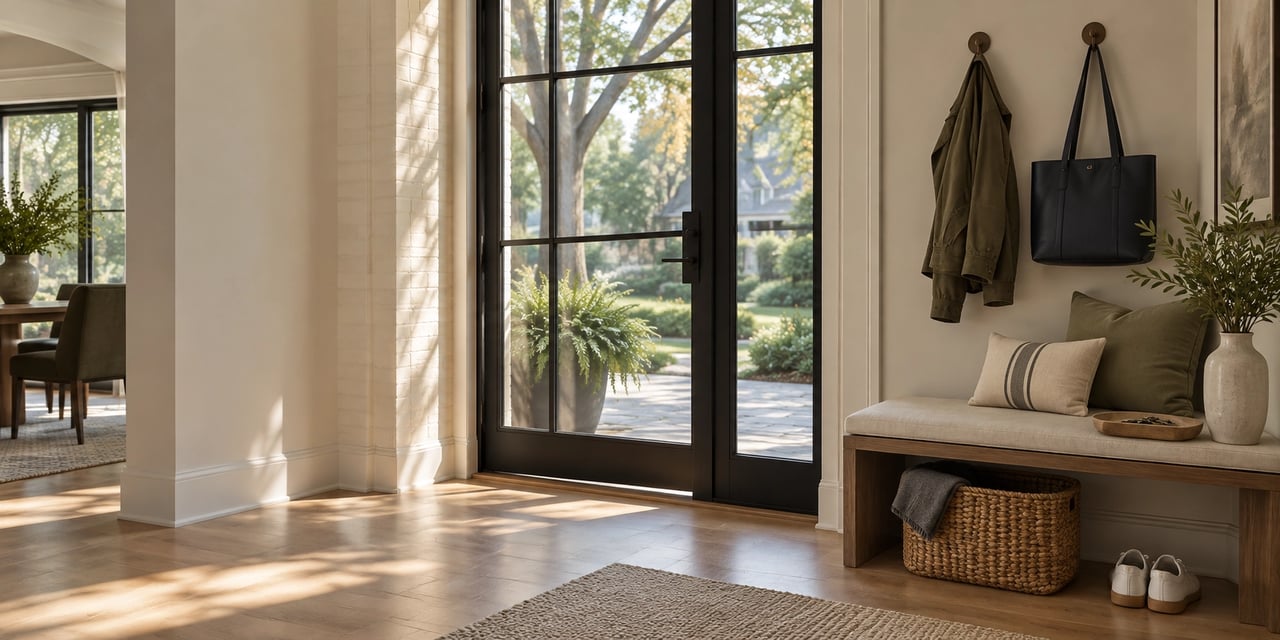
The entrance to a home often carries more responsibility during the fall. Shoes, bags, jackets, mail, sports equipment, and other everyday necessities can quickly collect near the door.
Whether you have a dedicated mudroom, a foyer, or a small space inside a townhome or condominium, the purpose is the same: to give frequently used belongings a natural place to land.
A small bench, a tray for keys, a basket, a few well-placed hooks, or a designated cabinet may be all that is needed to create a more graceful transition between being out and being home. The best solution is not necessarily the most elaborate. It is the one that feels intuitive enough for your household to use every day.

As daylight gradually changes, rooms that felt bright throughout the summer may begin to feel dim earlier in the day. This is a natural time to consider how lighting supports the mood and purpose of each space.
A lamp beside a reading chair, focused task lighting in a workspace, or softer illumination in a gathering area can make a room feel more comfortable and complete. Replacing burned-out bulbs and checking exterior fixtures can also make evenings and arrivals feel more welcoming.
Remember to review automated timers and smart lighting schedules that may still be set for longer summer days. Adjusting them now can ensure that interior and exterior lights come on before darkness settles in.
Solar-powered outdoor lighting may need attention as well. As the sun’s position shifts, a solar panel that received ample light during the summer may spend more of the day in shade. Check that each panel is clean and positioned to receive sufficient sunlight throughout the season.
Lighting is one of the simplest ways to change the experience of a room without changing the room itself.
 Prepare Shared Spaces for Everyday Gathering
Fall gathering does not have to mean formal entertaining. It may look like a weeknight meal, a conversation around the kitchen island, friends stopping by, a Saturday spent watching a game, or family members settling into the same room at the end of the day.
Look at whether your shared spaces support the way people naturally come together. A small adjustment may be enough: clearing an overfilled surface, repositioning furniture to encourage conversation, making everyday serving pieces easier to reach, or creating a comfortable place to sit without interrupting the activity around it.
This is also a natural time to bring back throw blankets that were stored during the warmer months. Freshen them according to their care instructions, then place them within easy reach of the seating areas where they are most likely to be enjoyed. A nearby basket, storage ottoman, cabinet, or closet can keep them accessible without adding unnecessary clutter.
Hospitality begins with helping people feel at ease, including the people who live in the home every day.
 Adapt Multipurpose Rooms with Ease
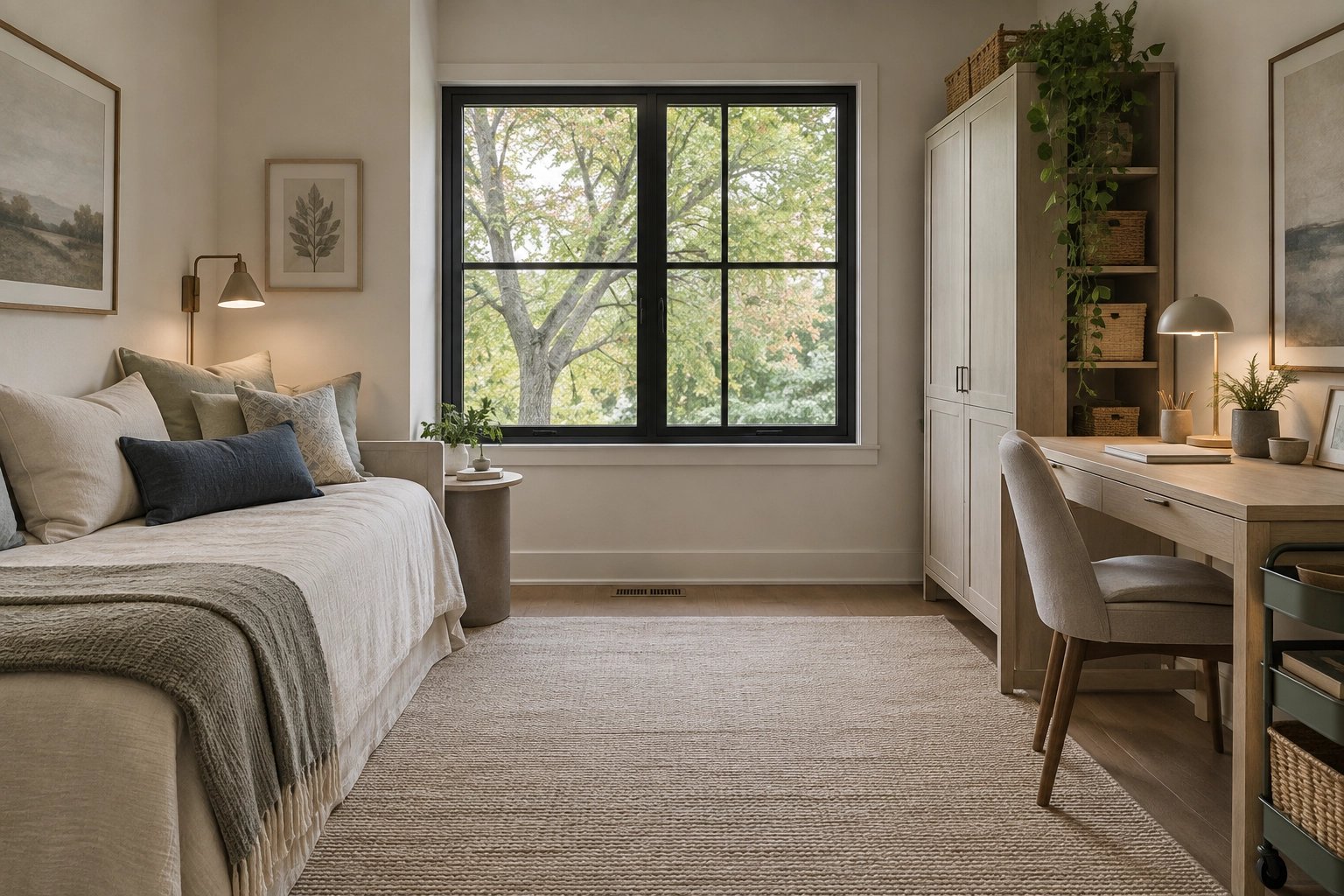
A guest room may also serve as an office. A dining area may occasionally become a place for homework. A loft might function as a media room, exercise space, or play area depending on the time of day.
When a room serves more than one purpose, it helps to establish a simple way for it to transition between uses. Portable storage, a dedicated drawer, a closed cabinet, or a consistent end-of-day routine can keep one activity from permanently overtaking the space.
The goal is not to assign every room a single purpose. It is to make each purpose easier to enjoy.
 Let Outdoor Living Shift With the Season
A porch, patio, balcony, or shared community space may become even more enjoyable as summer temperatures begin to ease. The way you use the space, however, may shift along with the season.
Think about the role you would like your outdoor areas to play this fall. They might support quiet mornings, weeknight meals, casual entertaining, children’s activities, or relaxed evenings at home. Arrange seating and surfaces around the experiences you want the space to accommodate.
Items that were stored during the hottest or wettest parts of summer may also be ready to return. Cushions, textiles, lanterns, serving pieces, games, and other seasonal comforts can make an outdoor space feel useful and inviting again. At the same time, clean and store anything that no longer supports how you plan to use the area.
Outdoor living does not require an expansive yard. A small balcony, welcoming front porch, or thoughtfully used community amenity can offer a refreshing change of setting when it is comfortable and easy to enjoy.
 Notice the Small Sources of Friction
Every home has minor frustrations that gradually become part of the background: a drawer that never closes properly, a surface where clutter continually gathers, a light that is not quite bright enough, or an everyday item stored inconveniently far from where it is used.
A seasonal reset offers an opportunity to notice these points of friction.
Walk through an ordinary morning or evening in your mind. Where does the routine become less convenient? What is repeatedly moved, misplaced, or left out? Which small adjustment would make daily life noticeably easier?
Living well at home is often less about adding something new and more about removing a recurring inconvenience.
There is no need to transform your entire home in a single weekend. Begin with the spaces that have the greatest impact on daily life, and allow the rest to evolve naturally.
A thoughtful home is not static. It responds to the people who live there, the routines they establish, and the seasons they move through. By paying attention to those changes, even modest adjustments can help your home feel ready for what comes next.
The qualities that make a home meaningful often extend well beyond its architecture or design. Continue exploring the details and experiences that shape the connection in What Makes a Home Feel Special.