6 Subtle Signals Buyers Respond to When Touring a Home
And How Concepts Like Feng Shui May Shape Their Experience
- April 7, 2026
And How Concepts Like Feng Shui May Shape Their Experience
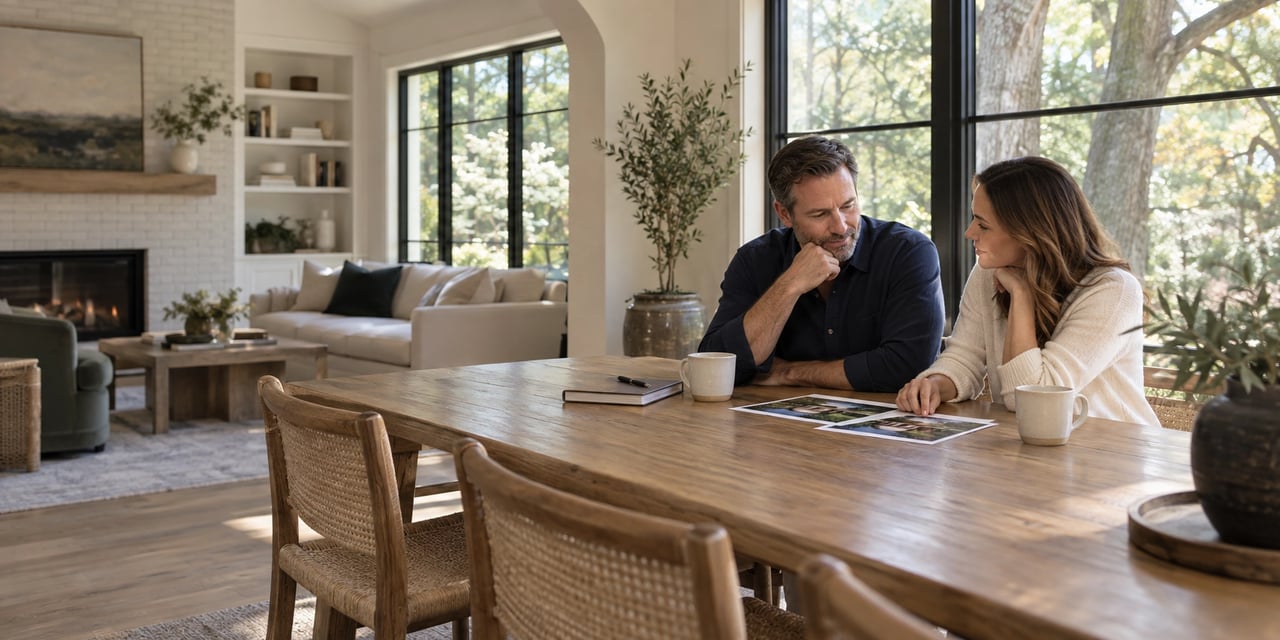
A buyer can walk into a home that checks every box, location, price, finishes, and still pause. They may not have the words to explain it. They’ll say the layout feels strange. The kitchen doesn’t sit right. Something about the entry makes them uneasy.
It’s easy to dismiss these moments as indecision.
But they’re not.
They’re signals.
We’re seeing this more often in conversations with buyers—moments when everything aligns on paper, but the way the home makes them feel gives them pause.
At its core, this is what we mean when we say luxury is a feeling, not a price point.
And the agents who understand how to read these signals are often the ones who guide clients to the right outcome, not by convincing, but by interpreting.
In some cases, buyers use concepts like feng shui to frame these reactions. It offers language around flow, balance, and placement—elements that can influence how a home is experienced.
Not every buyer will reference it, and when they do, it can mean different things to different people. But the underlying response is often the same.
Buyers are reacting to how a home feels, not just how it looks on paper.
Some details shape perception in ways buyers don’t always recognize at first.
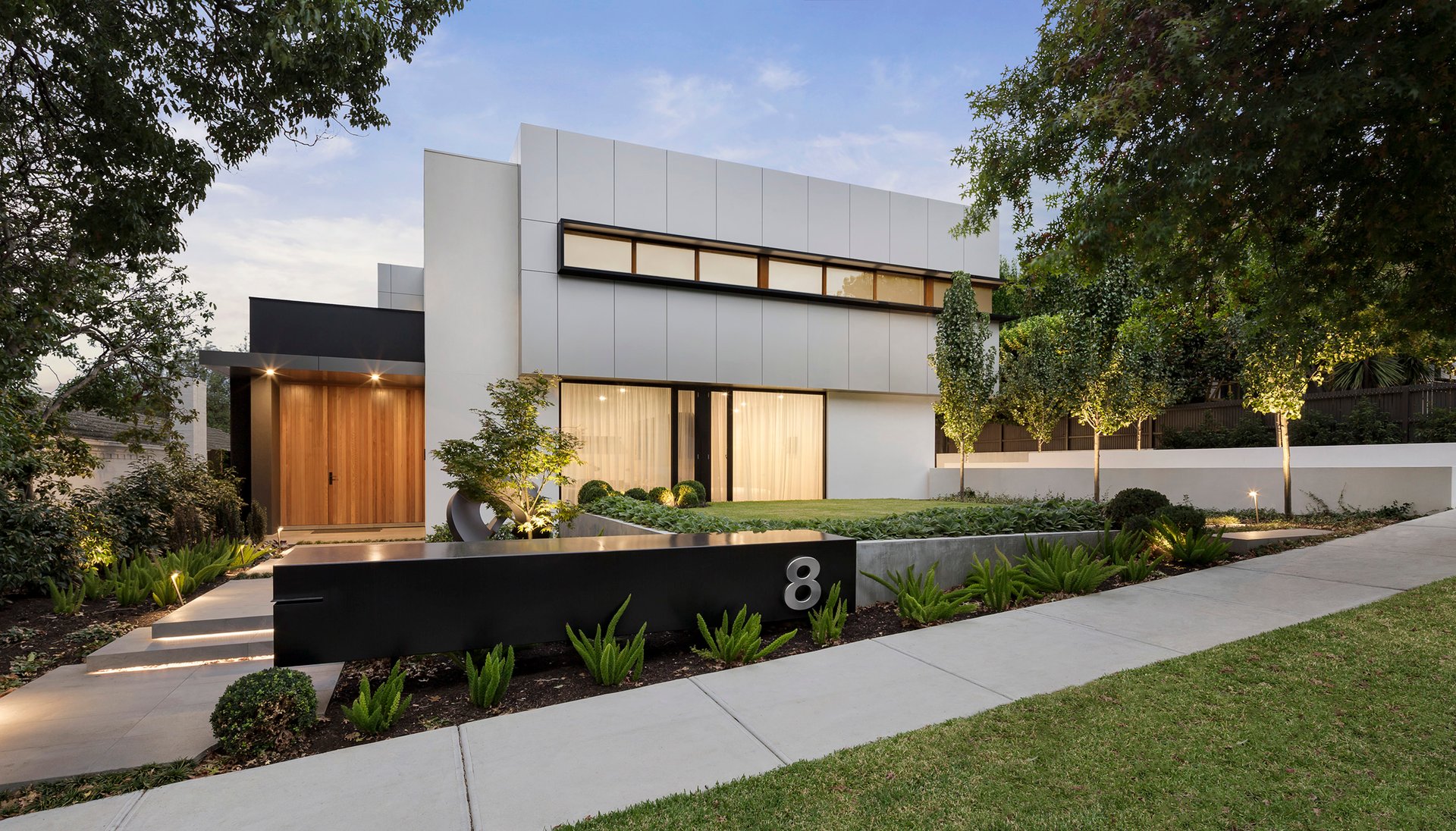
Numbers, sequences, and even repetition can influence how a home is perceived. An address, a unit number, or a pattern that feels intentional or not can create a sense of alignment or hesitation.
In some traditions, these patterns carry specific associations. The number eight, for example, is often linked to prosperity, while four is sometimes avoided due to its phonetic similarity to the word for death in several languages. Repeating numbers or sequences may also be seen as either harmonious or disruptive, depending on interpretation.
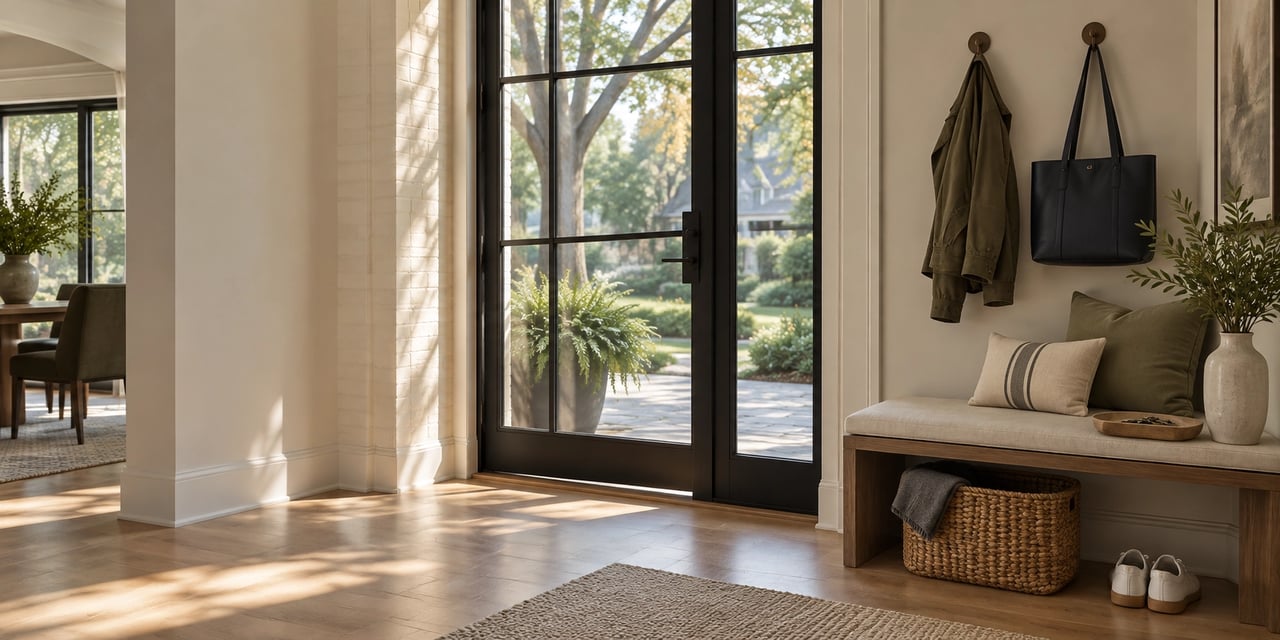
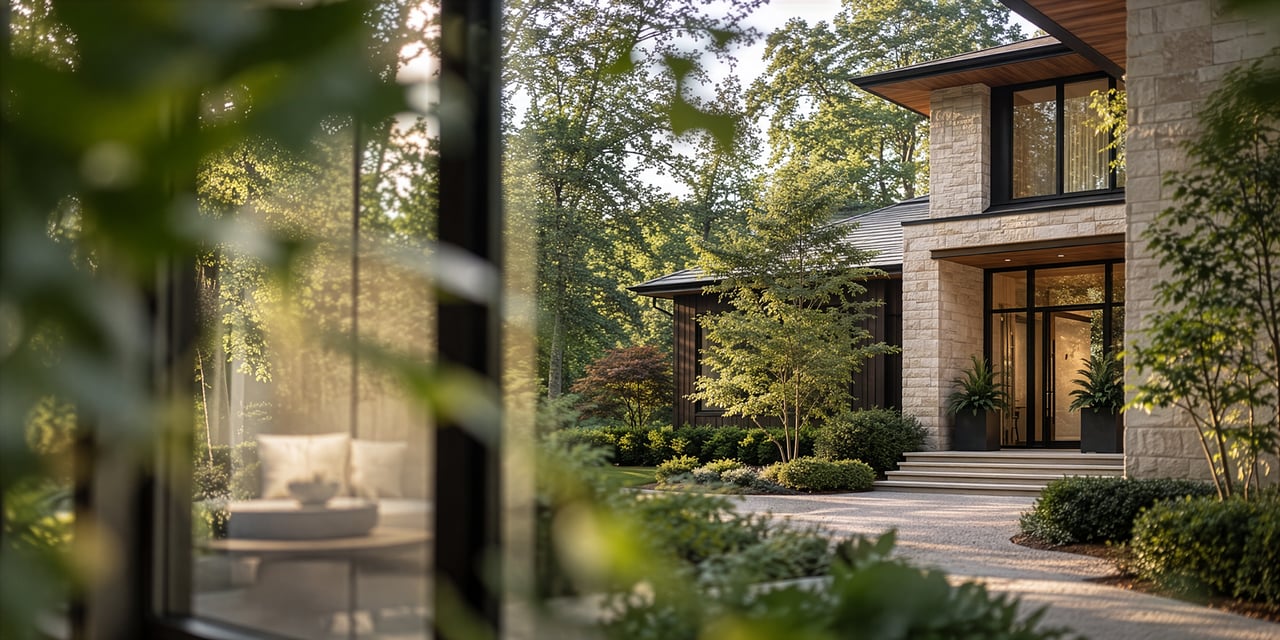
First impressions aren’t just visual; they can be emotional. The front door is where energy enters the home.
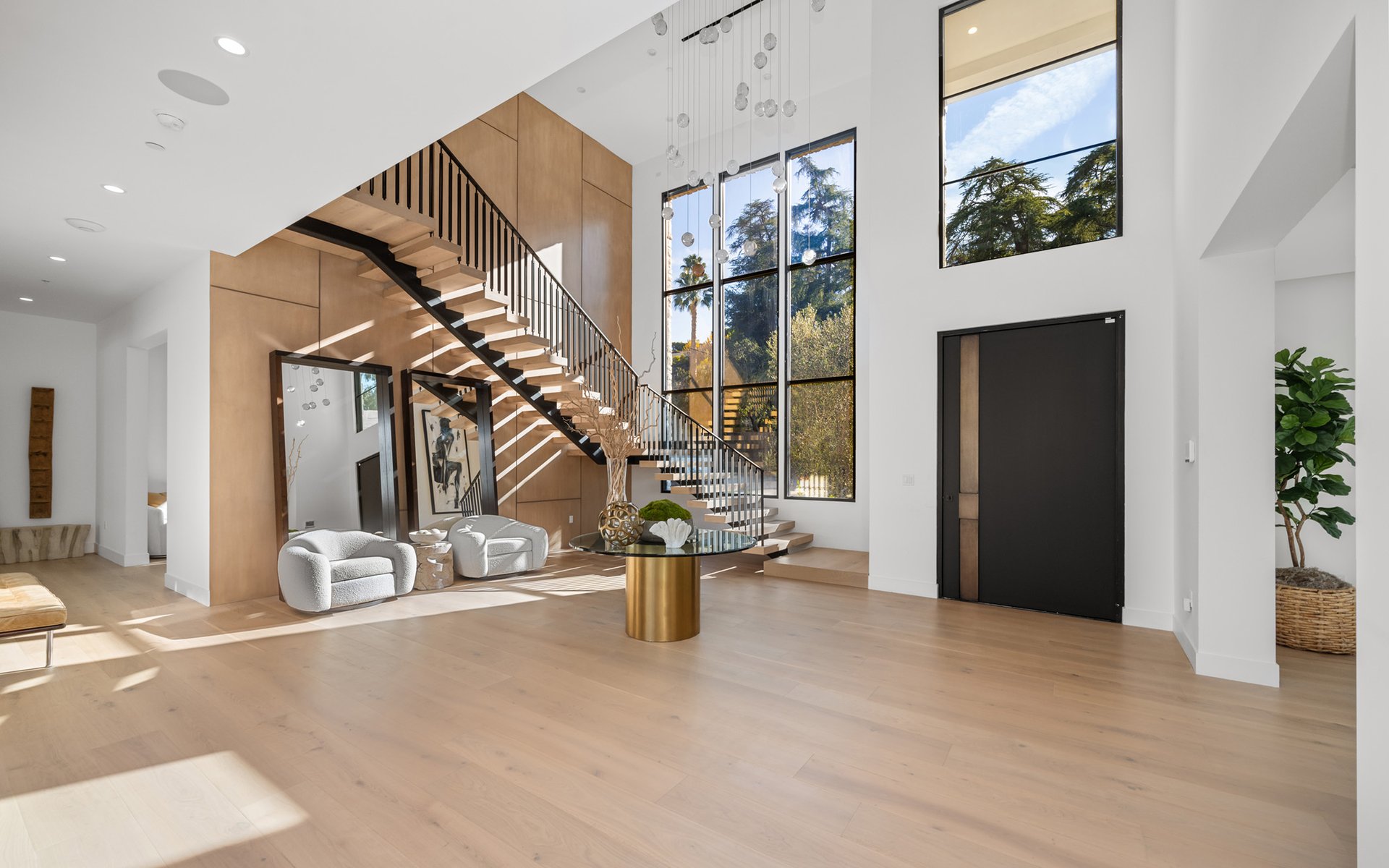
An entry that feels abrupt, exposed, or misaligned with the rest of the home can create immediate hesitation. A staircase directly facing the front door is a classic concern—it’s believed to let energy (and symbolically money) rush out too quickly.
When buyers say a home has “good energy,” they’re often describing flow.
How they move through the space. Where they pause. How room placement, traffic flow, and symmetry come together. Whether the home feels settled or unsettled. A technically sound floor plan can still feel disjointed if the space isn’t energetically aligned with the buyer.
Light shapes how a home is experienced more than most buyers realize.
Rooms that feel dim, overly exposed, or inconsistently lit can create subtle discomfort, even when the finishes are strong. Orientation, window placement, and how light moves throughout the day all influence whether a space feels calm and balanced—or unsettled.
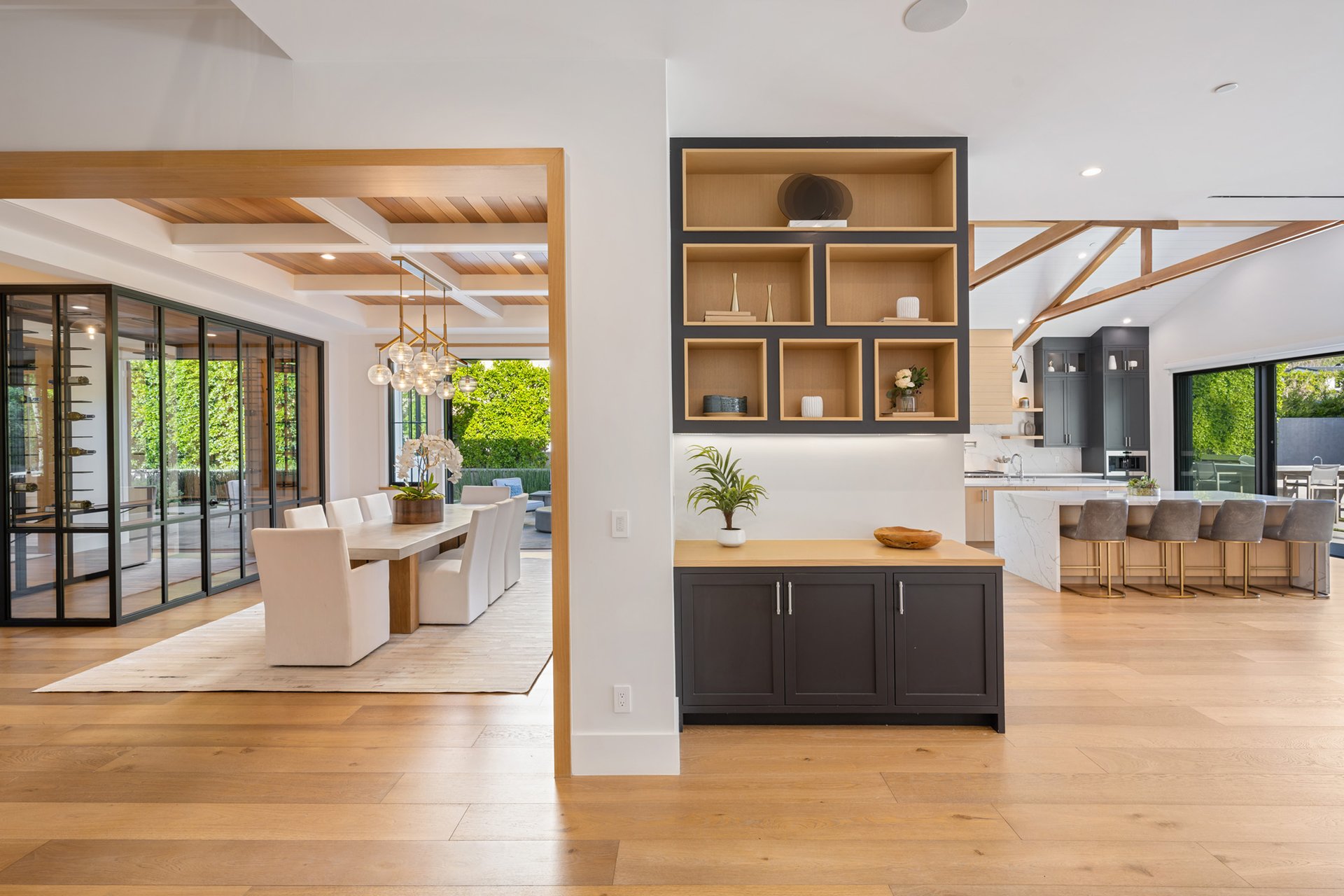
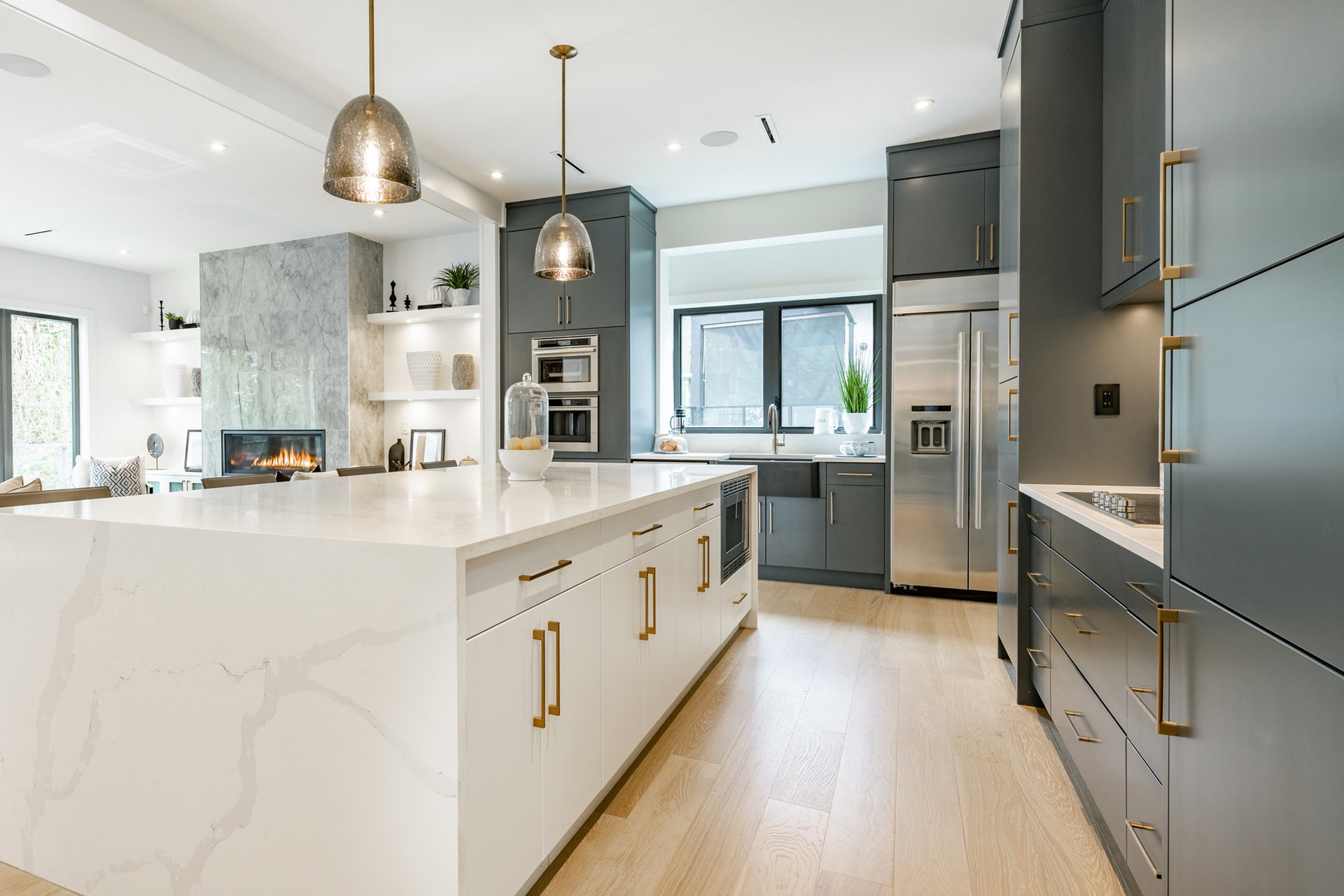
The kitchen is rarely just about appliances and finishes. In some cases, buyers may interpret the space through principles like feng shui, where the kitchen represents health, balance, and prosperity. The stove symbolizes fire, while the sink represents water, so placing them directly opposite each other may suggest conflict between elements.
It’s where buyers subconsciously evaluate how life will function. When something feels off—tight circulation, conflicting focal points, an awkward relationship between key elements—it often shows up as a vague discomfort rather than a specific objection.
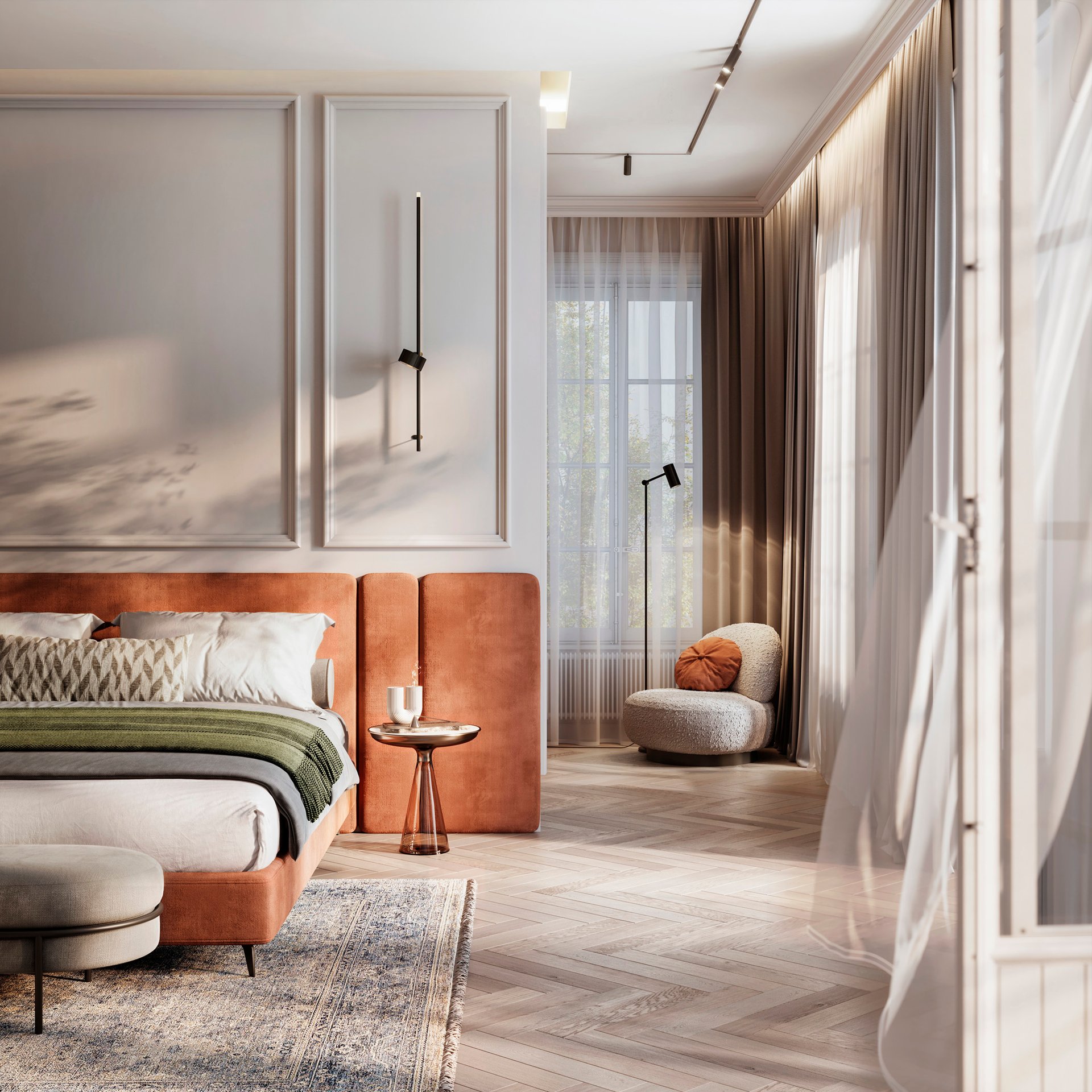
Not every bedroom feels like a place to rest.
When a primary suite feels exposed, disconnected from the rest of the home, or lacks a sense of separation, it becomes a quiet sticking point, even when everything else looks right on paper.
The most effective homes create a sense of retreat, where the space feels settled, private, and intentional.
Price, condition, and location still matter. They always will. But they’re not the full picture.
Buyers are also evaluating how a home lives. How it feels to move through the space, how it naturally supports their routines, and where they feel a sense of ease or friction.
When that alignment is present, decisions feel straightforward. When it’s not, hesitation follows—even if everything else appears to be in place.
You don’t have to share the perspective to recognize its impact.
Dismissing it misses the point.
Understanding it builds trust.
That’s where intrinsic value is uncovered. Where better outcomes are built.
A more thoughtful approach to real estate starts with understanding what matters most to you. If that’s how you prefer to work, we should talk.